Edible oil refining removes impurities, gum, free fatty acids, odor, and unwanted colors from raw oils such as soybean, mustard, sunflower, groundnut, and palm oil. Many people think lime is used in this process, but only specific safe-grade lime products are allowed.
The lime used in edible oil refining is Food-Grade Hydrated Lime (Calcium Hydroxide).
In some advanced refining units, a high-purity form of lime called Precipitated Calcium Carbonate (PCC) is also used for neutralization and purification.
This lime helps remove free fatty acids, improve color, and make the oil safe and stable for consumption.
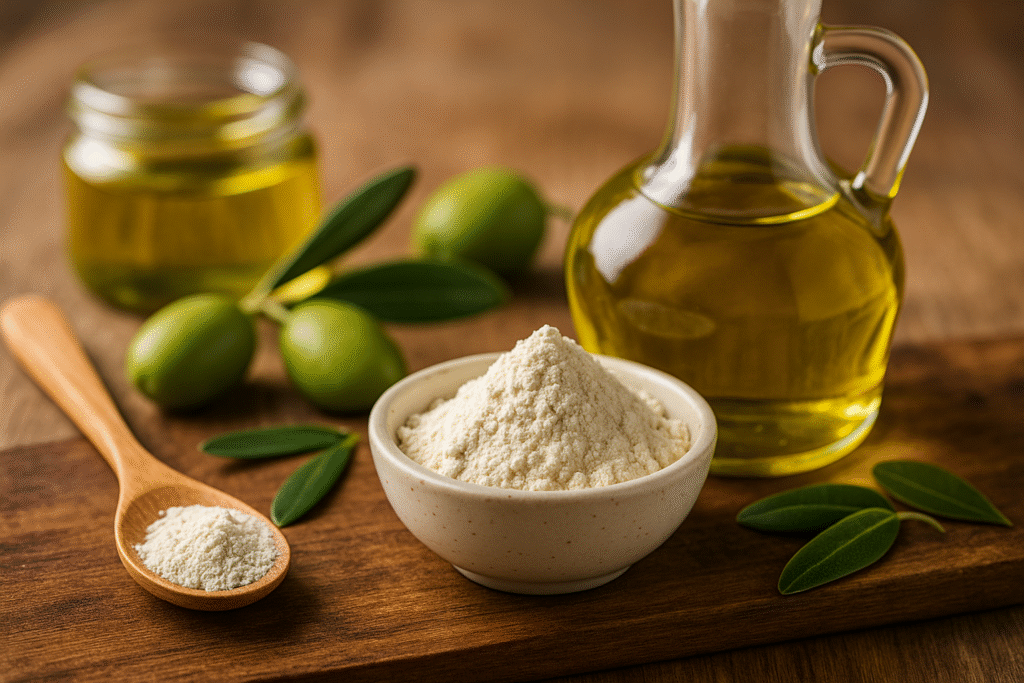
Raw oils contain free fatty acids, gums, moisture, dust, and natural impurities.
Food-grade hydrated lime reacts with these impurities and helps them separate from the oil.
The lime forms small particles (soapstock or sludge) that are filtered out easily, leaving the oil pure, clean, and stable.
This method is especially useful in:
| Lime Type | Scientific Name | Food Safe? | Used in Edible Oil? | Purpose |
|---|---|---|---|---|
| Food-Grade Hydrated Lime | Calcium Hydroxide (Ca(OH)₂) | ✔ Yes | ✔ Yes | Neutralization, impurity removal |
| Precipitated Calcium Carbonate (PCC) | CaCO₃ | ✔ Yes | ✔ Yes | Color/acid correction in some processes |
Food-Grade Hydrated Lime (Calcium Hydroxide).
To neutralize acids, remove impurities, and improve oil clarity.
No. It is unsafe for food.
Mustard, soybean, sunflower, groundnut, and palm oil.
Yes — it is purified and approved for food processing.
Precipitated Calcium Carbonate (PCC) and activated bleaching earth.
This will close in 30 seconds