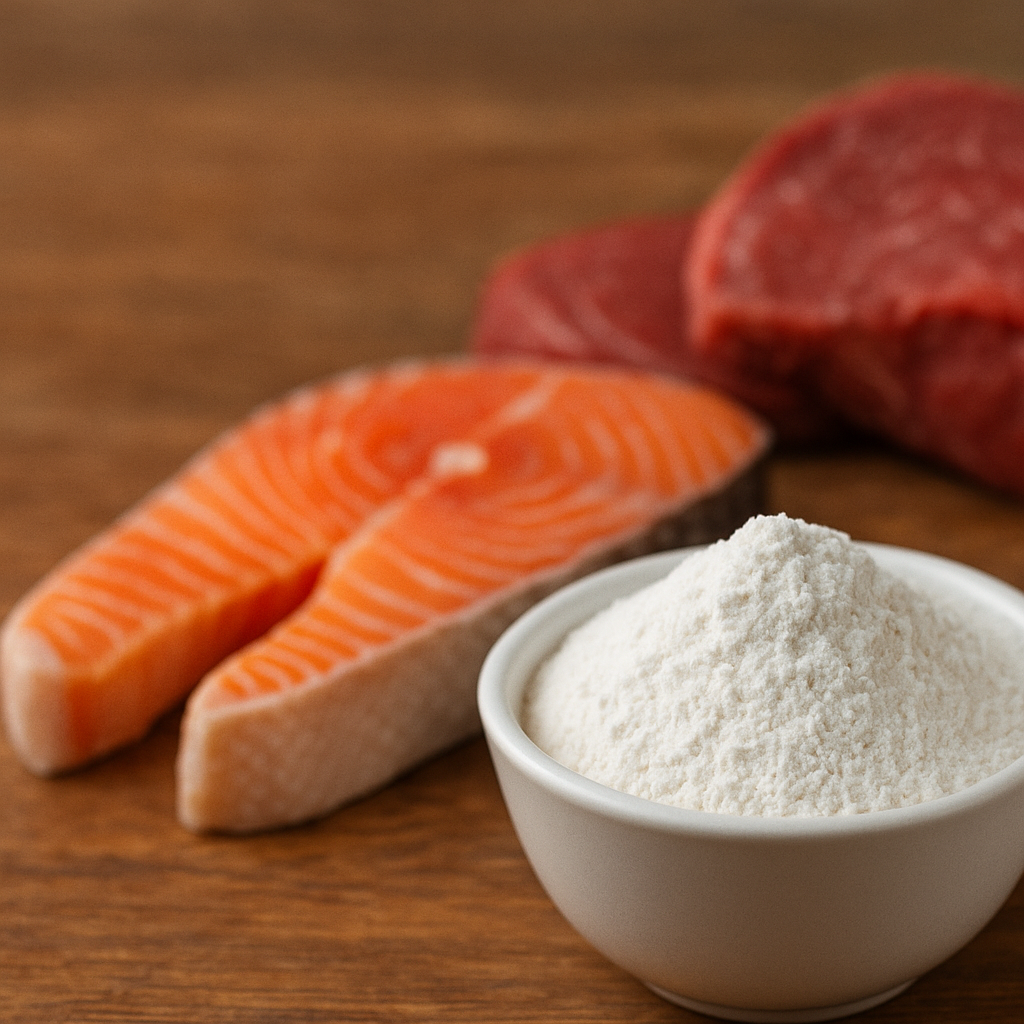
Traditional fish and meat preservation in many cultures uses lime to reduce spoilage, control bacteria, and improve texture. However, only one specific type of lime is safe for food. The lime used in fish or meat preservation is Food-Grade Hydrated Lime (Calcium Hydroxide).
This purified lime helps reduce microbial growth, maintains firmness, and controls acidity (pH), making fish and meat last longer during short-term preservation or processing.
Food-grade lime is commonly used in traditional fish preservation, curing, and some regional meat-processing methods.
Why Food-Grade Hydrated Lime Is Used.
Reduces bacterial growth
Helps maintain firm texture
Lowers surface moisture
Controls acidity (pH)
Slows the spoilage rate
Improves shelf life in short-term preservation
Safe for food when used in correct amounts
How Lime Works in Fish/Meat Preservation
Food-grade lime helps protect fish and meat by controlling acidity and surface moisture. When applied lightly, it:
Lowers bacterial activity
Reduces spoilage
Maintains firmness
Slows down oxidation
Keeps fish/meat fresh for short periods
This method is used in many coastal regions and traditional curing processes.