Which Lime Is Used in Water Purification?

Which Lime Is Used in Water Purification?

Lime is one of the most widely used chemicals in drinking water treatment, industrial water purification, and wastewater treatment.
The water industry specifically uses high-purity hydrated lime to remove impurities, neutralize acidity, and improve overall water quality.
It is safe, effective, widely available, and approved for use in water treatment plants.

Keywords covered: water purification lime, lime for water treatment, hydrated lime in water softening, Ca(OH)₂ water purification, water treatment chemicals.
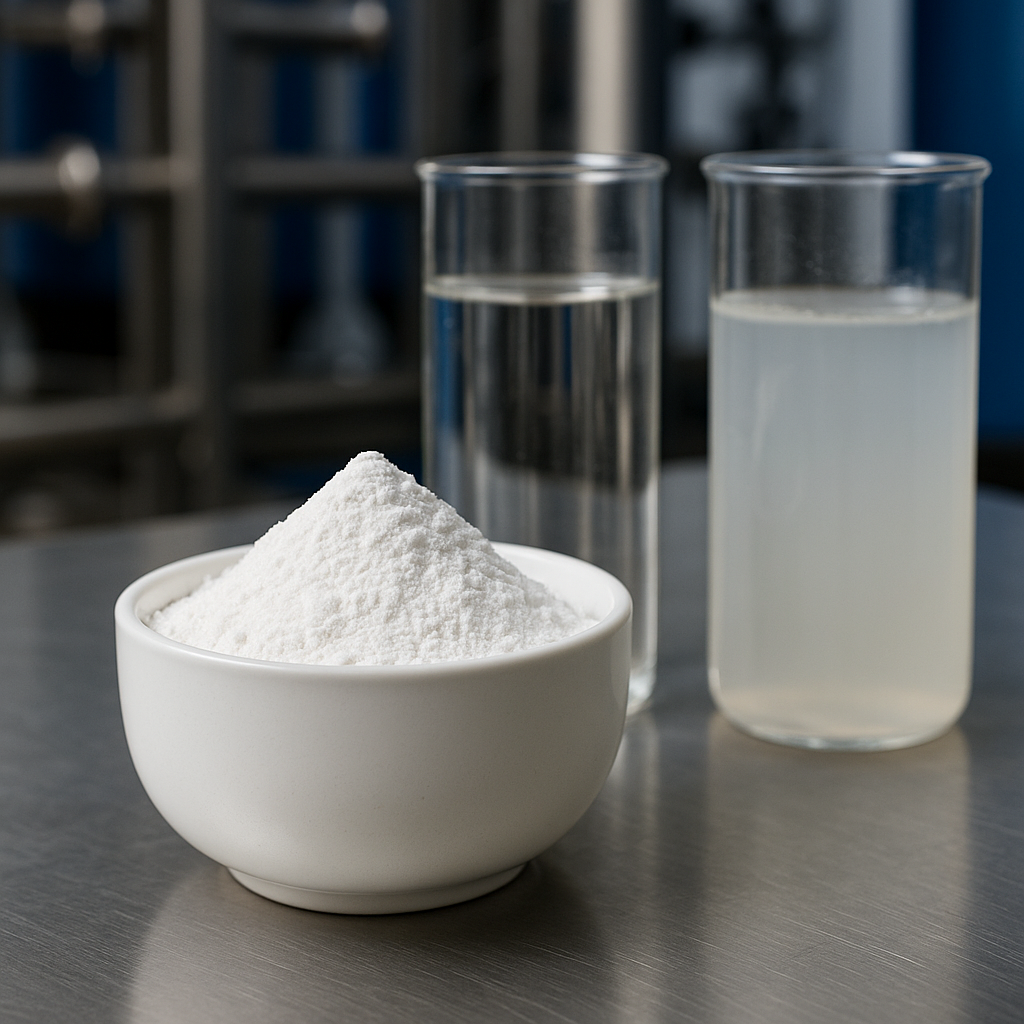
Which Lime Is Used in Water Purification?

The lime used in water purification is:

High-Calcium Hydrated Lime (Calcium Hydroxide – Ca(OH)₂)

Used for:

  1. Water softening
  2. pH correction
  3. Removing impurities
  4. Neutralizing acidity
  5. Removing heavy metals
  6. Coagulation & flocculation

How Lime Purifies Water

When hydrated lime is added to water:

  1. It increases pH to safe levels
  2. Suspended impurities clump together
  3. Heavy metals settle at the bottom
  4. Hardness-causing minerals are neutralized
  5. Water becomes clearer, cleaner, and more stable

Finally, filtered water becomes safe for drinking or industrial use.

Why Hydrated Lime Is Used in Water Treatment

  1. Increases water pH safely
  2. Removes hardness (calcium & magnesium)
  3. Removes iron, manganese, aluminium
  4. Helps coagulate suspended particles
  5. Removes bacteria-supporting acidity
  6. Neutralizes industrial wastewater
  7. Improves overall water clarity


Lime TypeScientific NameUsed in Water?Purpose
Hydrated Lime (Correct)Ca(OH)₂✔ YespH adjustment, softening, impurity removal
Quick LimeCaO✔ LimitedUsed only in large plants (converted to Ca(OH)₂ on-site)

Frequently Asked Questions (Q&A)

High-Calcium Hydrated Lime (Ca(OH)₂).

To increase pH, remove impurities, and soften water.

Yes — when it is high-purity, water-treatment-grade lime.

Only in large plants where it is converted into hydrated lime on-site.

Indirectly — by creating a pH environment that reduces bacterial growth.

Municipal water plants, textile, dairy, sugar, chemicals, steel, pharma, food processing.

    Get in touch with Vigyan Lime


    This will close in 30 seconds