Lime is one of the oldest and most versatile construction materials in the world. From ancient monuments to modern high-rise structures, lime plays a critical role in manufacturing cement, AAC blocks, plaster, mortar, bricks, paints, flooring, soil stabilization, and waterproofing systems.
The two major forms used in building materials are:
Quick Lime (Calcium Oxide – CaO)
Hydrated Lime (Calcium Hydroxide – Ca(OH)₂)
Both offer unique physical and chemical benefits that make construction materials stronger, more durable, and longer-lasting.
Keywords covered: lime in construction, building materials lime, hydrated lime use, quick lime construction, lime in mortar, lime in plaster, lime in AAC blocks, lime in soil stabilization.
Lime reacts with silica and alumina to form strong binding compounds (C-S-H gel), increasing the strength of building materials.
Lime makes mortar and plaster smoother, easier to apply, and more flexible.
Lime improves adhesion between bricks, blocks, cement, sand, and aggregates.
Lime prevents cracks, improves durability, and protects structures from rain, moisture, and wind.
Lime provides the calcium needed for cement clinker formation.
Hydrated lime helps reduce shrinkage, preventing long-term cracks.
Lime seals micro-pores, improving water resistance in plaster and mortar.
Lime reabsorbs CO₂ during curing, reducing environmental impact.
Provides alkali for chemical reactions
Helps silica react and form strong compounds
Stabilizes pH in construction mixtures
Supports carbonation for long-lasting strength
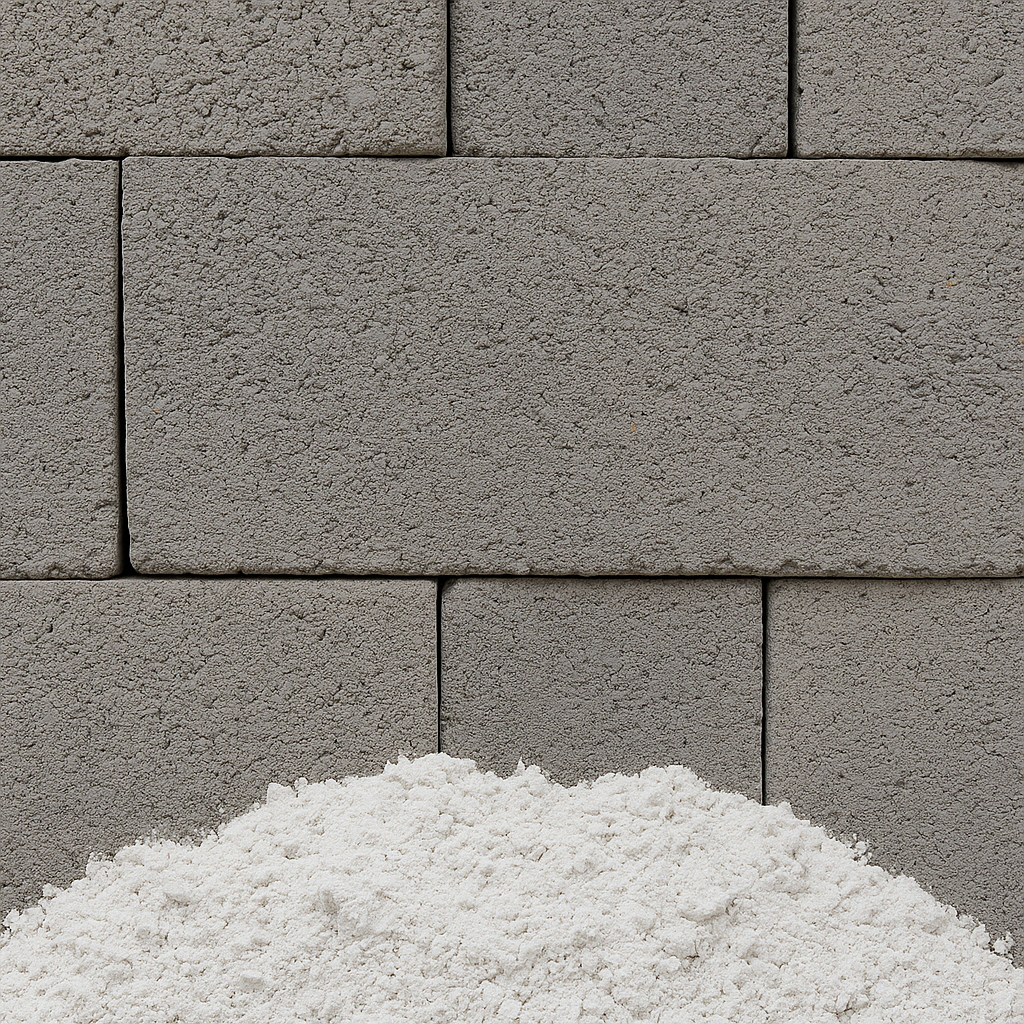
Quick Lime (CaO) is essential for:
Lime reacts with silica and aluminum powder to create:
Hydrated lime improves:
Quick lime stabilizes weak soils for:
Hydrated lime creates premium finishes for:
| Lime Type | Scientific Name | Used For | Benefits |
|---|---|---|---|
| Quick Lime (CaO) | Calcium Oxide | Cement, AAC blocks, soil stabilization | High reactivity, strength development |
| Hydrated Lime (Ca(OH)₂) | Calcium Hydroxide | Mortar, plaster, putty, whitewash | Workability, flexibility, smoothness |
| Dolomitic Lime | CaO + MgO | Some mortars & plasters | Slower setting, added durability |
| Lime Putty | Slaked Lime Paste | Premium finishing & restoration work | Ultra-smooth finish, long curing |
Hydrated Lime – Properties, Manufacturing Process & All Major Applications
Calcium Carbonate Food Grade – FCC Certified Manufacturer & Supplier in India
Hydrated Lime Food Grade – FCC Certified Calcium Hydroxide by Vigyan Lime
Calcium Carbonate (Food Grade): Uses, Benefits, Specifications & Trusted Manufacturer in India
To improve strength, bonding, durability, and workability.
Quick Lime (Calcium Oxide).
Hydrated Lime (Calcium Hydroxide).
For aeration, strength, and chemical reactivity.
Yes — lime reabsorbs CO₂ during curing.
Yes — hydrated lime reduces shrinkage cracks.
This will close in 30 seconds